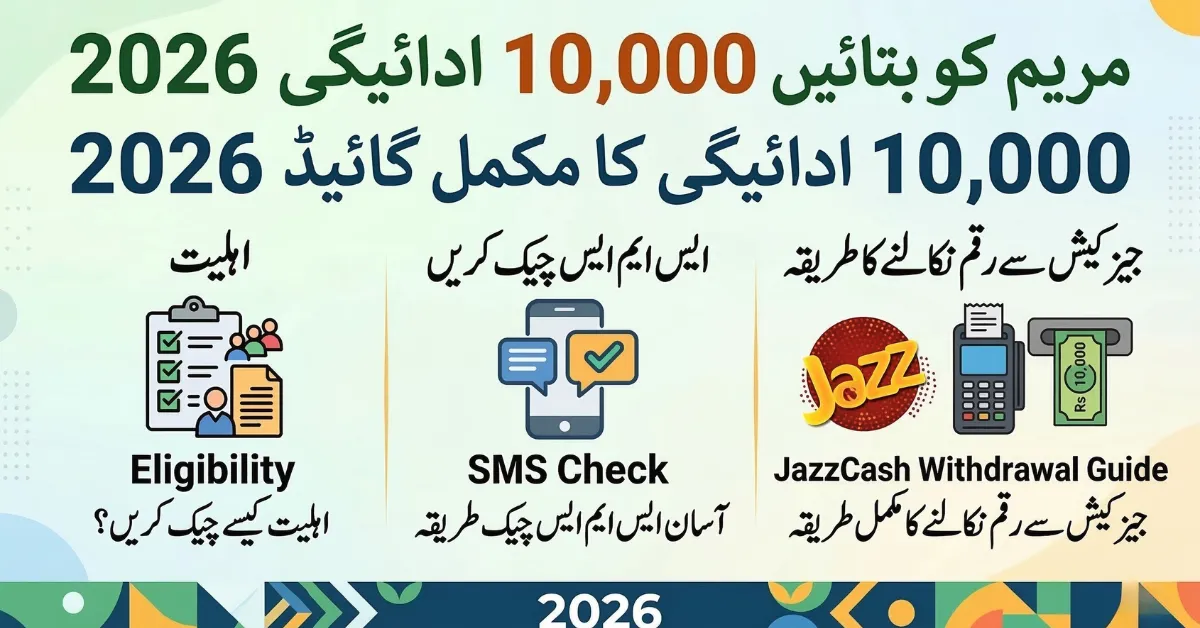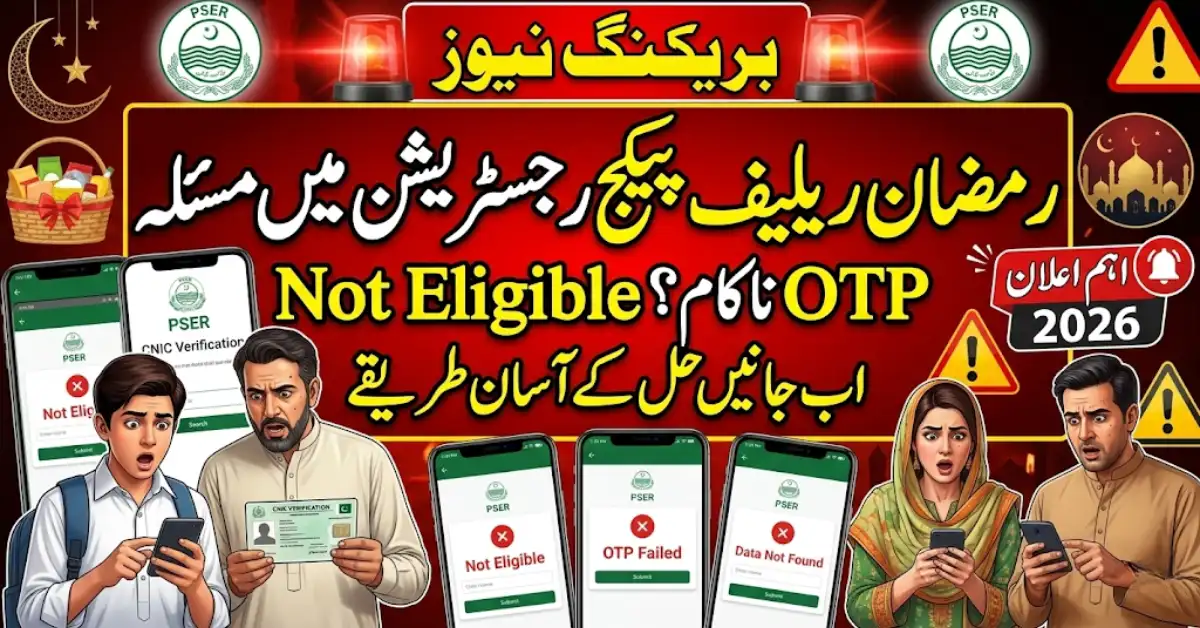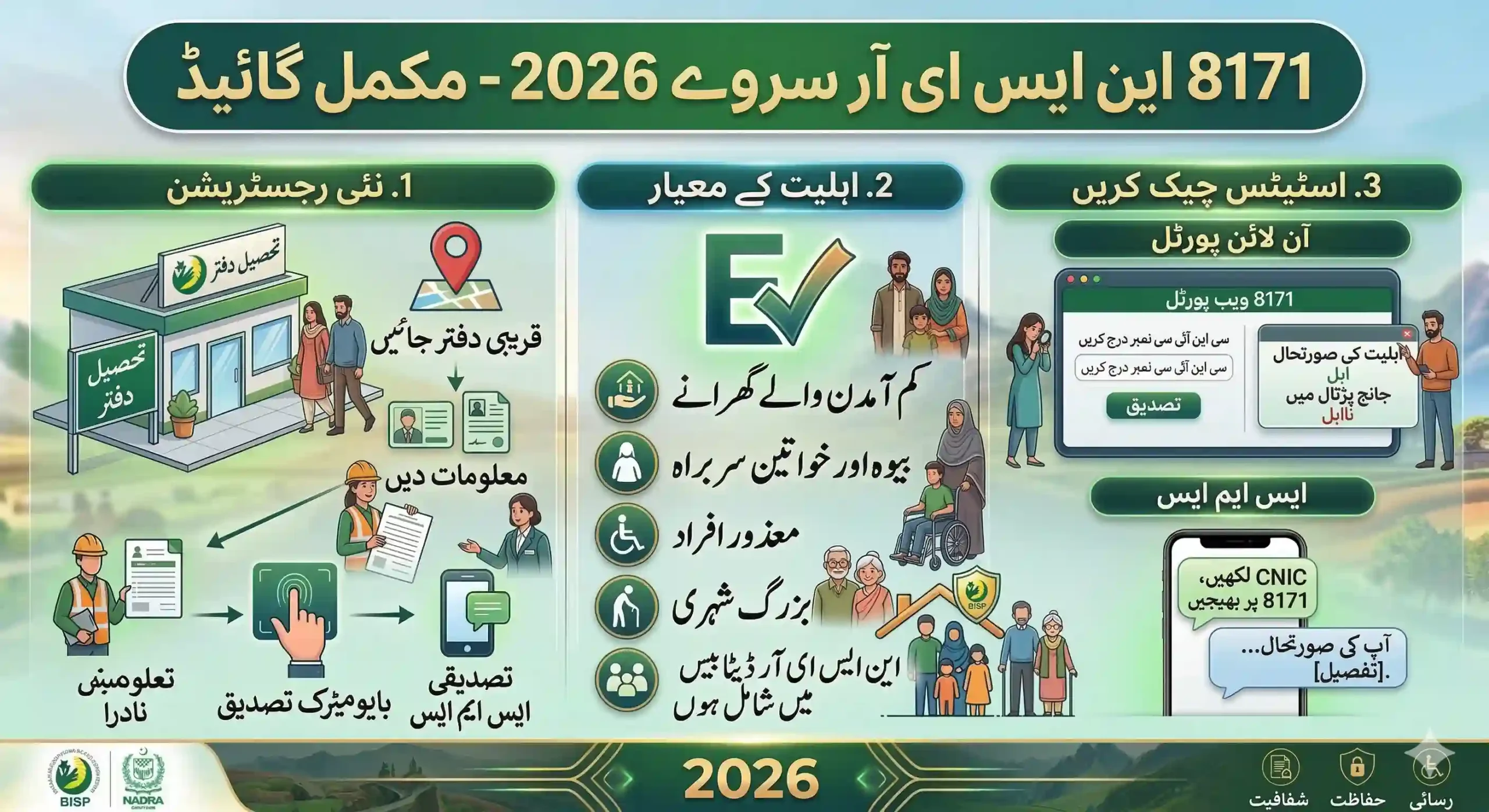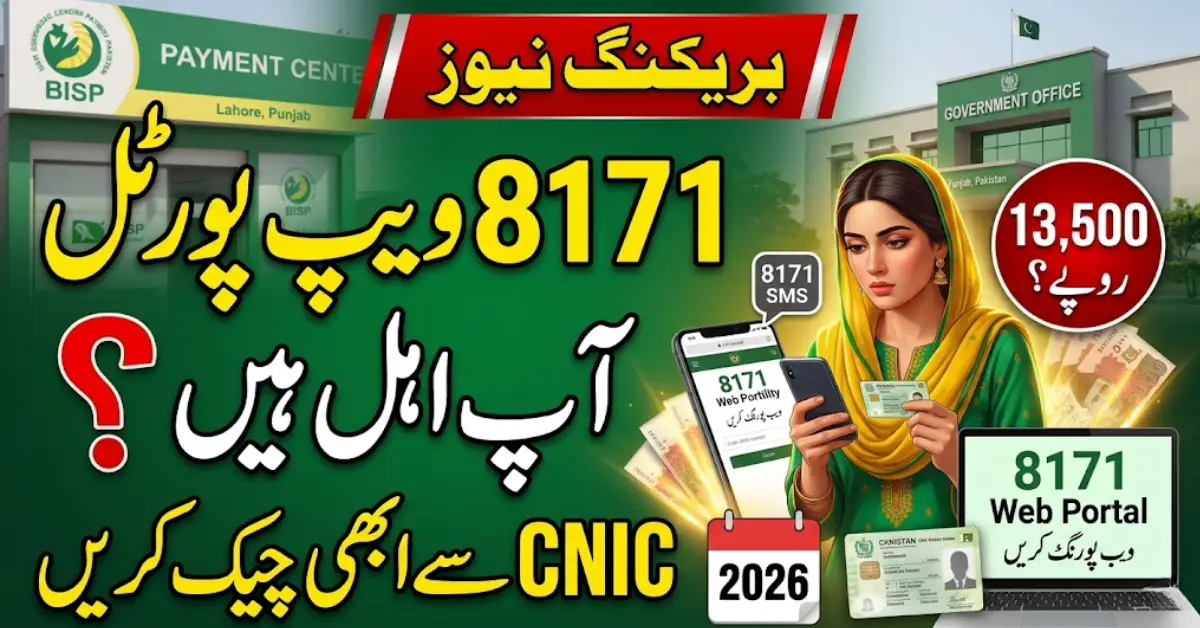
As Ramadan approaches, household budgets across Pakistan are under pressure once again. Prices of flour, sugar, cooking oil, and pulses often rise before the holy month. For daily wage earners and low-income families, even small increases can create serious financial stress.
To address this challenge, the government has introduced the Ramzan Relief Package March 2026. The March phase is especially important because it focuses on final verification, beneficiary confirmation, and payment scheduling before Ramadan begins.
Here’s a complete, updated, and easy-to-understand guide.
Focus Keyword: Ramzan Relief Package 2026
Tags: Ramzan Relief 2026, CNIC Status Check, Government Subsidy Pakistan, Ramadan Cash Assistance

What Is the Ramzan Relief Package 2026?
The Ramzan Relief Package 2026 is a federal welfare initiative aimed at supporting financially vulnerable households before Ramadan. The goal is simple: reduce the burden of rising food costs.
Unlike older ration distribution systems, this year’s model is largely digital. It relies on CNIC-based screening and cross-database verification to ensure transparency and prevent duplication.
The March 2026 phase mainly covers:
Final Beneficiary Verification
Authorities complete data screening through official welfare databases.
SMS Confirmation
Approved individuals receive confirmation messages on their registered mobile numbers.
Payment Scheduling
Installments or subsidies are scheduled just before Ramadan.
This digital shift is designed to minimize corruption and speed up delivery.
Who Is Eligible for Ramzan Relief Package 2026?
Eligibility for the Ramzan Relief Package 2026 is determined through automated verification. There is no manual selection process.

Here are the basic criteria:
Valid CNIC
Applicants must have a valid 13-digit CNIC that is not expired.
Low-Income Status
Households must fall under low-income or vulnerable categories based on official socio-economic data.
Tax Records
Active high-income tax filers are generally excluded.
Government Employment
Senior government officers and high-grade employees are typically not eligible.
Updated Welfare Data
Your household data must be accurate in the national socio-economic registry.
In 2026, the screening system has become stricter. Even minor data mismatches — such as outdated marital status or incorrect family size — can affect eligibility.
Keeping your records updated is crucial.
How the March 2026 Beneficiary List Is Prepared
There is no public browsing list available online.
The beneficiary list is generated internally using digital data screening. The system checks:
-
CNIC validation
-
Poverty score records
-
Tax filing status

-
Government employment data
-
Duplicate entries
Only those who qualify receive an official SMS.
If you do not receive a message immediately, it does not always mean permanent rejection. Sometimes delays occur due to system load or data verification issues.
How to Check Ramzan Relief Package 2026 Status
The government has kept the process simple.
SMS Method (Most Reliable)
-
Open your SMS app.
-
Type your 13-digit CNIC number (without dashes).
-
Send it to the officially announced short code (such as 9999, if active).
-
Wait for a confirmation reply.
Important points:
-
Send SMS from a SIM registered on your own CNIC.
-
Do not send repeated messages.
-
The service is free.
If an official web portal is activated, you may also check status online by entering your CNIC and captcha code.
Always use official sources and avoid social media rumors.
What Approved Families May Receive
Depending on official announcements for the Ramzan Relief Package 2026, beneficiaries may receive:
Direct Cash Assistance
A fixed cash installment before Ramadan.
Subsidized Groceries
Discounted rates on essential food items.
Ramadan Support Installment
Special one-time financial support for the holy month.
Payment details and exact dates are shared only through official SMS alerts.
Pros and Cons of the 2026 Digital System
Advantages
-
Faster verification
-
Transparent data screening
-
Reduced corruption
-
Direct assistance to deserving families
Challenges
-
Strict automated rejections
-
Portal slowdown during peak hours

-
Limited appeal options
-
Data mismatch issues
The system is efficient, but it requires accurate records.
Common Reasons for Rejection
If you are marked “Not Eligible,” possible reasons include:
-
Expired CNIC
-
Active tax filer status
-
Government job record
-
Incorrect CNIC entry
-
Outdated household information
Before assuming permanent rejection, verify your data with relevant authorities.
Safety Guidelines for Applicants
Relief programs often attract fraud attempts.
To stay safe:
-
Never pay any agent for registration.

-
Do not share CNIC photos publicly.
-
Use only official SMS codes.
-
Ignore fake WhatsApp messages.
-
Never share OTP codes with anyone.
All procedures under the Ramzan Relief Package 2026 are completely free.
Why March 2026 Is Important
The March phase is critical because it finalizes beneficiary lists before Ramadan. If you want to receive assistance on time, now is the time to:
-
Check CNIC validity
-
Confirm SIM registration
-
Update household data
-
Verify tax and employment status
Accurate information increases your chances of approval.
FAQs
1. Is March 2026 a new registration phase?
No. March usually focuses on verification and payment scheduling, not fresh registrations.
2. How long does SMS verification take?
It can take a few minutes to a few days, depending on system load.
3. Can I apply again if rejected?
Immediate reapplication is usually not allowed. Update your records for future relief programs.
4. Is there a public beneficiary list online?
No. Approved beneficiaries receive confirmation via official SMS only.
5. When will payments be released?
Payments are typically scheduled shortly before Ramadan, subject to official announcements.