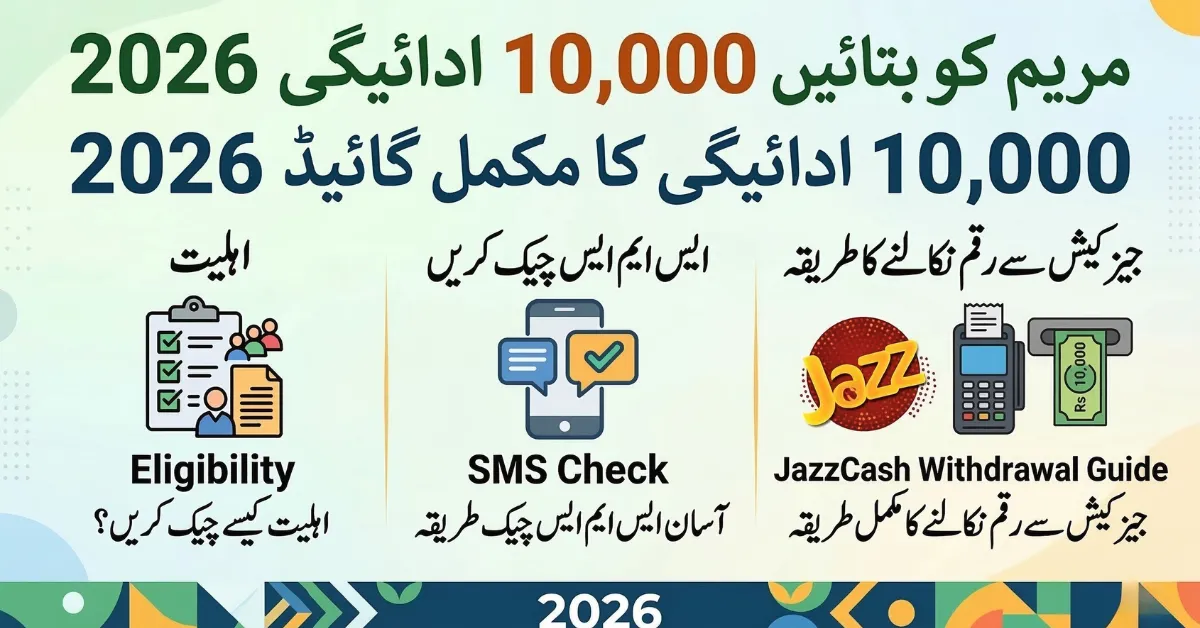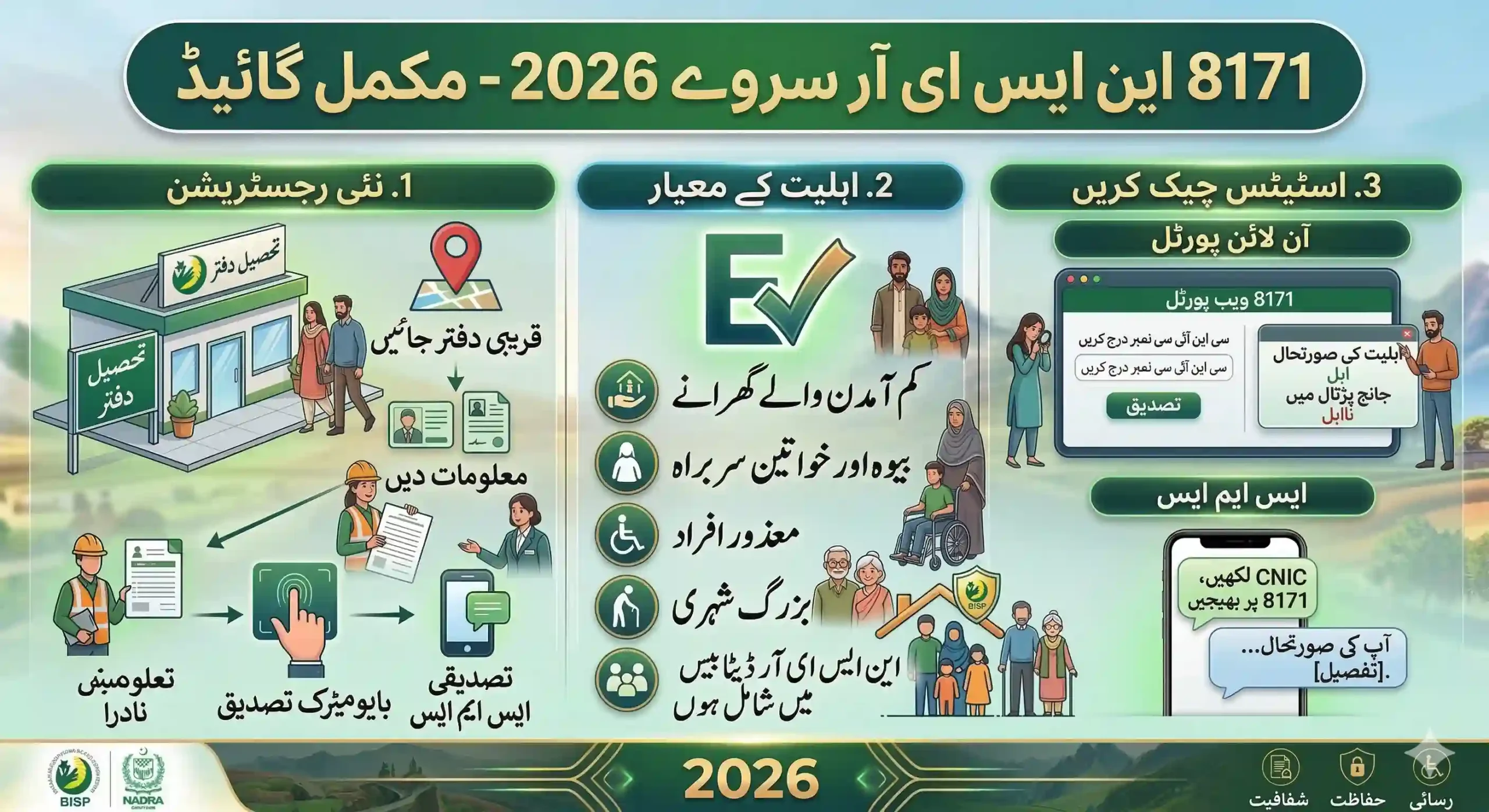
The Maryam Ko Batain Ramzan Relief Program via 1000 has been introduced to provide financial relief to low-income families during Ramzan 2026. Rising inflation and daily household expenses often make the holy month difficult for many households in Punjab. To support deserving citizens, the provincial government launched this initiative to provide up to Rs. 10,000 financial assistance through a simple verification system.
The biggest advantage of the Maryam Ko Batain Ramzan Relief Program via 1000 is its easy process. Instead of complicated paperwork or long queues, applicants can simply call the official helpline and complete the initial verification from their mobile phone.
This guide explains everything you need to know, including eligibility criteria, the application process, verification steps, and practical tips to ensure your application is successful.
What Is Maryam Ko Batain Ramzan Relief Program via 1000?
The Maryam Ko Batain Ramzan Relief Program via 1000 is a special welfare initiative designed to help financially struggling families manage basic expenses during Ramzan.
Under this program, eligible households may receive Rs. 10,000 in financial assistance after their details are verified through official government databases.
The program focuses on transparency and digital verification so that aid reaches the most deserving citizens.
Key Features of the Program
Some important highlights include:
-
Financial assistance of up to Rs. 10,000
-
Simple registration through helpline 1000
-
Free application process
-
Digital verification through official records
-
Priority for low-income families

The program aims to deliver quick support without forcing people to visit offices repeatedly.
How to Apply for Maryam Ko Batain Ramzan Relief Program via 1000
Applying for the Maryam Ko Batain Ramzan Relief Program via 1000 is straightforward. Follow the steps carefully to avoid mistakes.
Step 1: Call the Official Helpline
Dial 1000 from your mobile phone. Make sure the SIM card is registered under your own CNIC.
Step 2: Provide Your CNIC Number
Enter your 13-digit CNIC number correctly when requested. Avoid adding dashes or spaces.
Step 3: Confirm Household Details
During the call, you may be asked several questions about your household. These may include:
-
Number of family members
-
Monthly income level
-
Employment status
-
Residential address
Provide accurate information that matches official records.
Step 4: Digital Verification Process
After submitting your details, the system verifies your data through government socio-economic databases.

Step 5: Approval and Payment
If you qualify for the Maryam Ko Batain Ramzan Relief Program via 1000, you will receive confirmation and instructions on how to collect the Rs. 10,000 assistance.
Verification usually takes a few days depending on data accuracy.
Eligibility Criteria for Rs 10,000 Assistance
Not everyone qualifies for the program. The government has defined specific eligibility rules to ensure fairness.
To apply for the Maryam Ko Batain Ramzan Relief Program via 1000, you should generally meet the following conditions:
-
Must be a resident of Punjab
-
Must have a valid CNIC
-
Belong to a low-income household
-
Not be a high-grade government employee
-
Should not own major taxable assets
Priority Groups
Certain categories may receive priority during selection:
-
Daily wage workers
-
Widows
-
Persons with disabilities
-
Economically vulnerable families
However, final approval always depends on digital verification.
Program Overview
Here is a quick summary of the scheme.
Program Name: Maryam Ko Batain Ramzan Relief Program 2026
Financial Assistance: Up to Rs. 10,000
Helpline: 1000
Application Fee: Free
Verification Method: Digital database screening
Target Beneficiaries: Low-income residents of Punjab
Common Mistakes That Cause Application Rejection
Many applicants unknowingly make small errors that delay or cancel their applications.
Avoid these common mistakes:
-
Entering an incorrect CNIC number
-
Using someone else’s SIM card
-
Providing incomplete family details

-
Submitting incorrect income information
Always double-check your details before submitting them.
Important Safety Tips for Applicants
Whenever a financial assistance program is announced, fraudsters also try to take advantage of people. Follow these precautions:
-
Never pay any agent or middleman
-
Do not share your CNIC copy with strangers
-
Use only official helpline numbers
-
Keep your registered mobile number active
Remember, the Maryam Ko Batain Ramzan Relief Program via 1000 is completely free.
Expert Tips to Increase Approval Chances
Many applicants get approved quickly simply by following these smart steps:
-
Use a SIM registered under your own CNIC
-
Ensure your income information is accurate

-
Keep your family details updated in official records
-
Apply early to avoid system congestion
These small steps can improve your chances of receiving financial assistance.
Conclusion
The Maryam Ko Batain Ramzan Relief Program via 1000 is an important step toward supporting financially vulnerable families during Ramzan 2026. With a simple helpline-based application process and digital verification, the program aims to deliver transparent and quick assistance.
If you believe your household qualifies, make sure to submit correct information and follow official instructions carefully. By avoiding common mistakes and using only verified sources, you can complete the process smoothly and potentially receive Rs. 10,000 in financial support during the holy month.
FAQs
1. How much financial assistance is provided in the Maryam Ko Batain Ramzan Relief Program via 1000?
Eligible families can receive up to Rs. 10,000 after successful verification.
2. Is there any fee for applying to the program?
No, the application process is completely free.
3. Can I apply using someone else’s SIM card?
No. Your SIM card must be registered under your own CNIC.
4. How long does the verification process take?
Verification usually takes a few days depending on the accuracy of your data.
5. Who gets priority in the program?
Low-income families, widows, disabled individuals, and daily wage earners may receive priority.