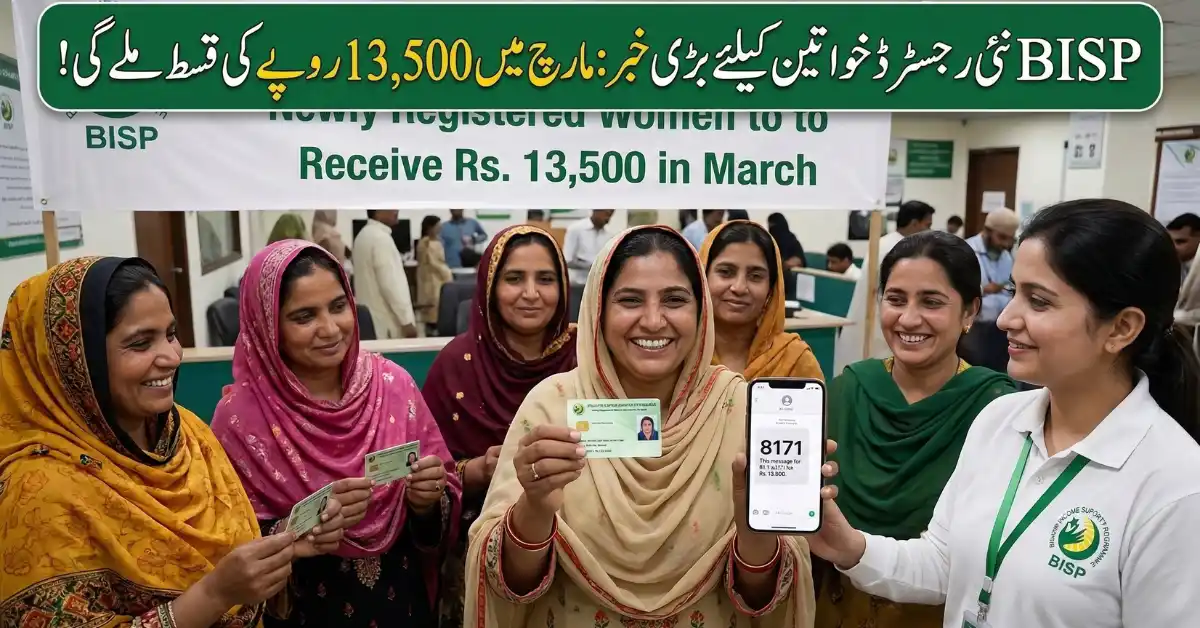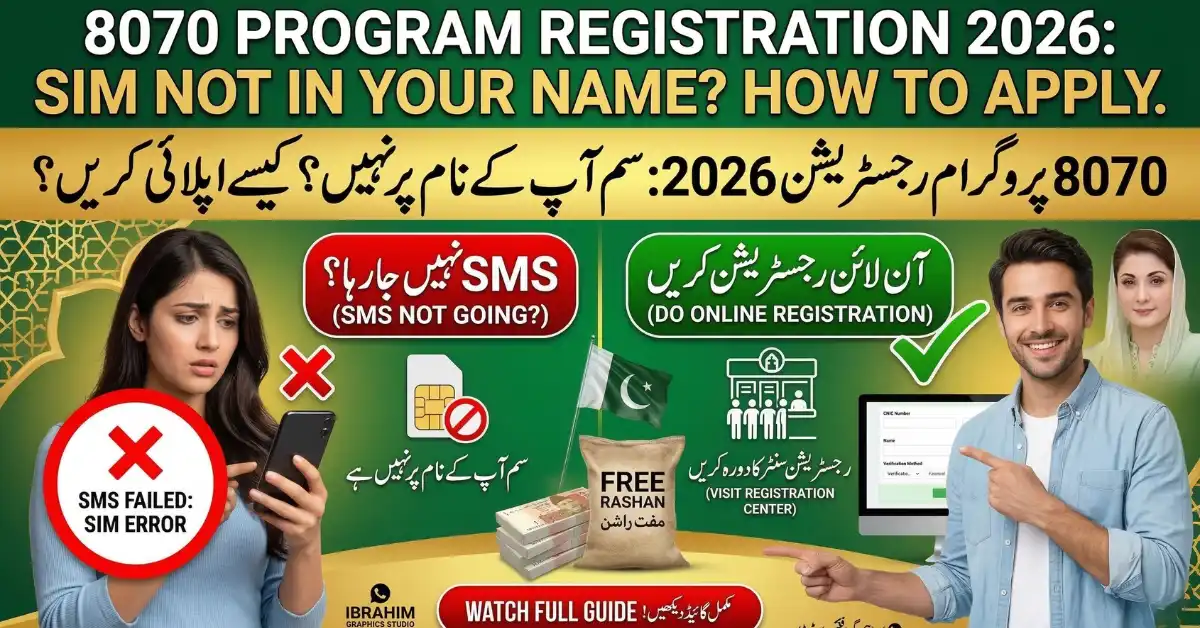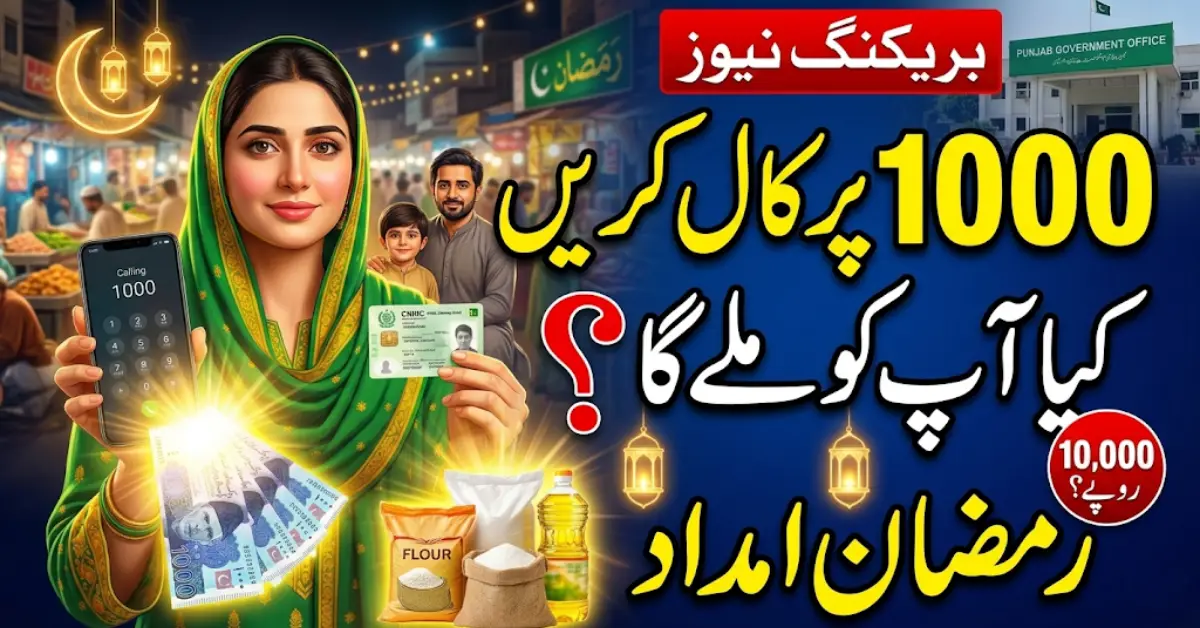
The Ehsaas 8171 Program 2026 update has brought major changes for beneficiaries across Pakistan. Thousands of women recently received an unexpected message showing “Ineligible” after checking their CNIC status on the 8171 web portal.
This development has created confusion and concern among families who depend on financial assistance under the Benazir Income Support Programme (BISP). Officials have clarified that most disqualifications are due to updated verification checks, not permanent removal from the program.
In this article, we’ll explain the main reasons for ineligibility, the role of the 2026 NSER survey, and what affected women should do next.
Why Women Are Becoming Ineligible in Ehsaas 8171 (2026)
The Ehsaas 8171 Program, working under BISP, has introduced stricter verification through the updated National Socio-Economic Registry (NSER) database.
The goal is simple:
👉 Ensure that financial aid reaches only the most deserving and low-income families.
Common Reasons for Disqualification
Here are the main reasons many women are marked ineligible in 2026:
-
Household income recorded as higher after re-survey
-
A family member registered as an active taxpayer
-
Ownership of a vehicle or registered property
-
A government employee listed in family records
-
Duplicate registrations under one household
-
Incorrect or outdated family data

Even small data mismatches—such as an unreported income change—can temporarily affect eligibility.
Impact of the NSER Dynamic Survey 2026
The NSER Dynamic Survey 2026 plays a central role in deciding eligibility for the Ehsaas Kafalat payments.
If a beneficiary did not update her information during the recent survey cycle, the system may automatically mark her status as ineligible.

What the System Now Cross-Checks
The upgraded verification system now connects with multiple databases, including:
-
National Database and Registration Authority (NADRA) records
-
Banking transaction data
-
Employment records
-
Taxpayer databases

Key Verification Areas
Authorities are reviewing:
-
CNIC validity
-
Updated household size
-
Marital status changes
-
Registered mobile number ownership
-
Declared monthly income
This digital cross-checking has reduced fraud but also caused temporary disqualifications due to outdated records.
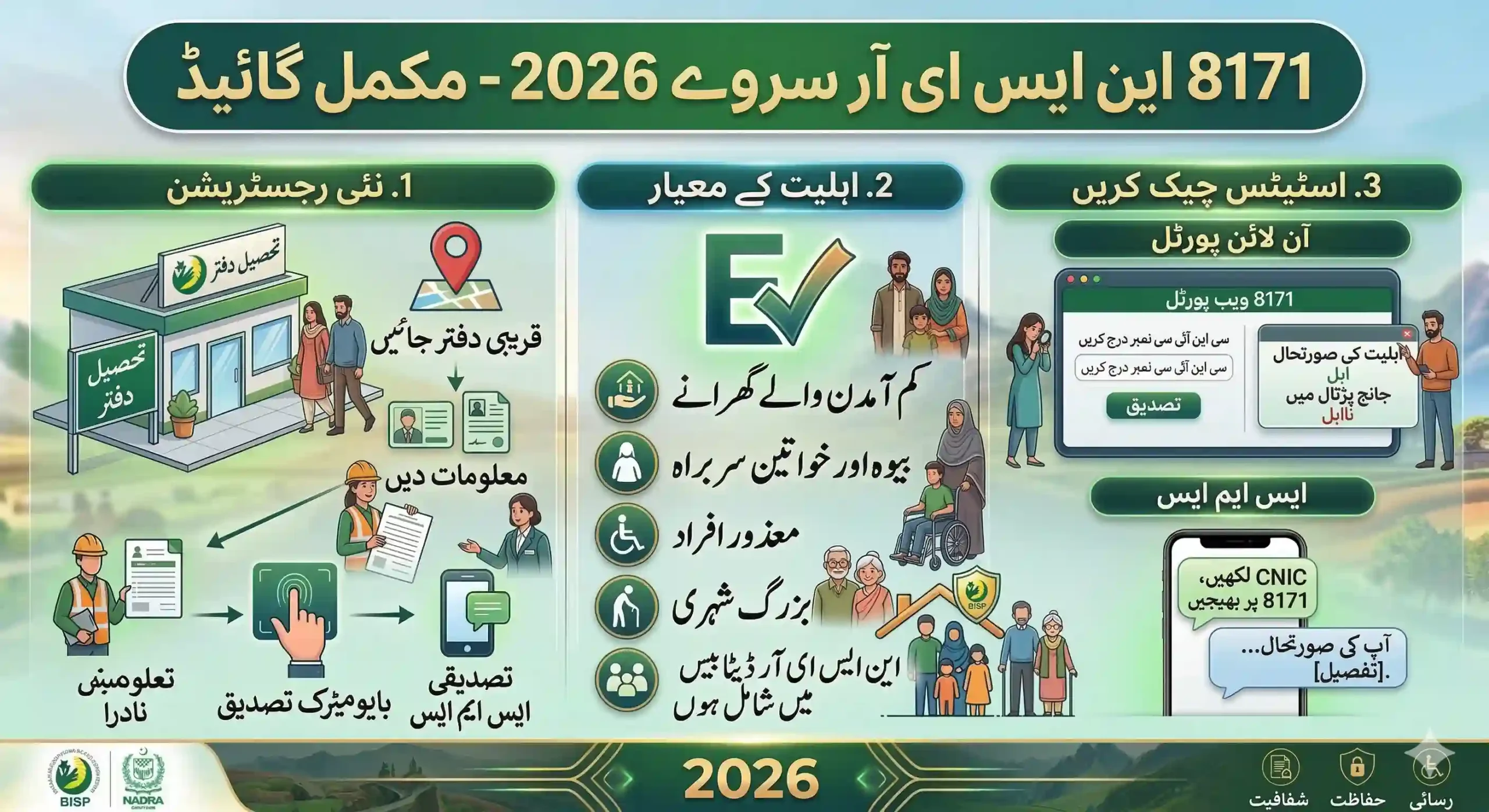
What To Do If Your 8171 Status Shows “Ineligible”
Being marked “ineligible” does not always mean permanent removal from the Ehsaas 8171 Program.
Many women regain eligibility after correcting their records.
Follow These Steps:
-
Visit your nearest BISP Tehsil Office
-
Request a fresh NSER Dynamic Survey
-
Bring original CNIC and children’s B-Forms
-
Update income and household details
-
Wait for confirmation SMS from 8171
⚠️ Important: Avoid agents or unofficial registration services. All updates are free of cost at official centers.
Government Measures for Transparent Payments in 2026
The Government of Pakistan has strengthened digital monitoring systems to prevent:

-
Duplicate payments
-
Fake registrations
-
Fraudulent claims
Under the Ehsaas Kafalat initiative, verified women continue receiving quarterly financial assistance after successful revalidation.
The updated 8171 system focuses on:
-
Widows
-
Unemployed women
-
Low-income households
-
Families without stable income sources
The 2026 reforms aim to improve fairness and transparency rather than reduce beneficiaries.
Final Words: Stay Updated and Take Action
The Ehsaas 8171 Program 2026 eligibility review is part of a broader effort to make the system more transparent and data-driven.
If your status shows “Ineligible”:
-
Do not panic
-
Visit your nearest BISP office
-
Complete the NSER update
-
Regularly check your CNIC through the 8171 portal
Timely record updates can help restore your payment status quickly.
For thousands of women across Pakistan, staying informed and keeping data updated is the key to continuing support under the Ehsaas 8171 Program in 2026.
Latest Updates